Recently, an article in The Economist magazine venturing to explain why Americans work harder than Europeans (on average 1811 hours/year for the former against the 1571 hours/year for the latter) postulated, “Maybe Europeans enjoy their leisure more. They are spoilt for choice about how to spend time off, with beautiful cities, culinary delights, rugged mountains and much else besides just a short train ride or discount flight away”. Having lived in Paris for almost 4 years now, I instantly thought of all the short weekend trips one has taken and found myself nodding as I read that line of argument. Cities in Europe, are no doubt, all of that and much more…each familiar in the way summed up but different with its own unique identity and history of attraction. And one such city is Barcelona!

A student city, Barcelona was always on the list of places to visit much like Cancun was during spring break during my Master’s in the US. But with working life, vacations are often cut short by the reality of working weekends. So, when the first long weekend arrived in spring this year, I packed my bags for a quick trip to Barcelona (with a day in Madrid – later on this maybe). Everyone I had spoken to summed up Barcelona in two words, irrespective of the length of descriptions given: “Beach” and “Gaudi”. Now, the former was evident, the latter I knew only a bit about. Rarely are cities defined by their architects. Architecture, yes, but architects…rarely. And so, a weekend in Barcelona began with the hedonistic ideas of sun, sand and sea, but also the curiosity of a new discovery of people, aesthetics and culture.
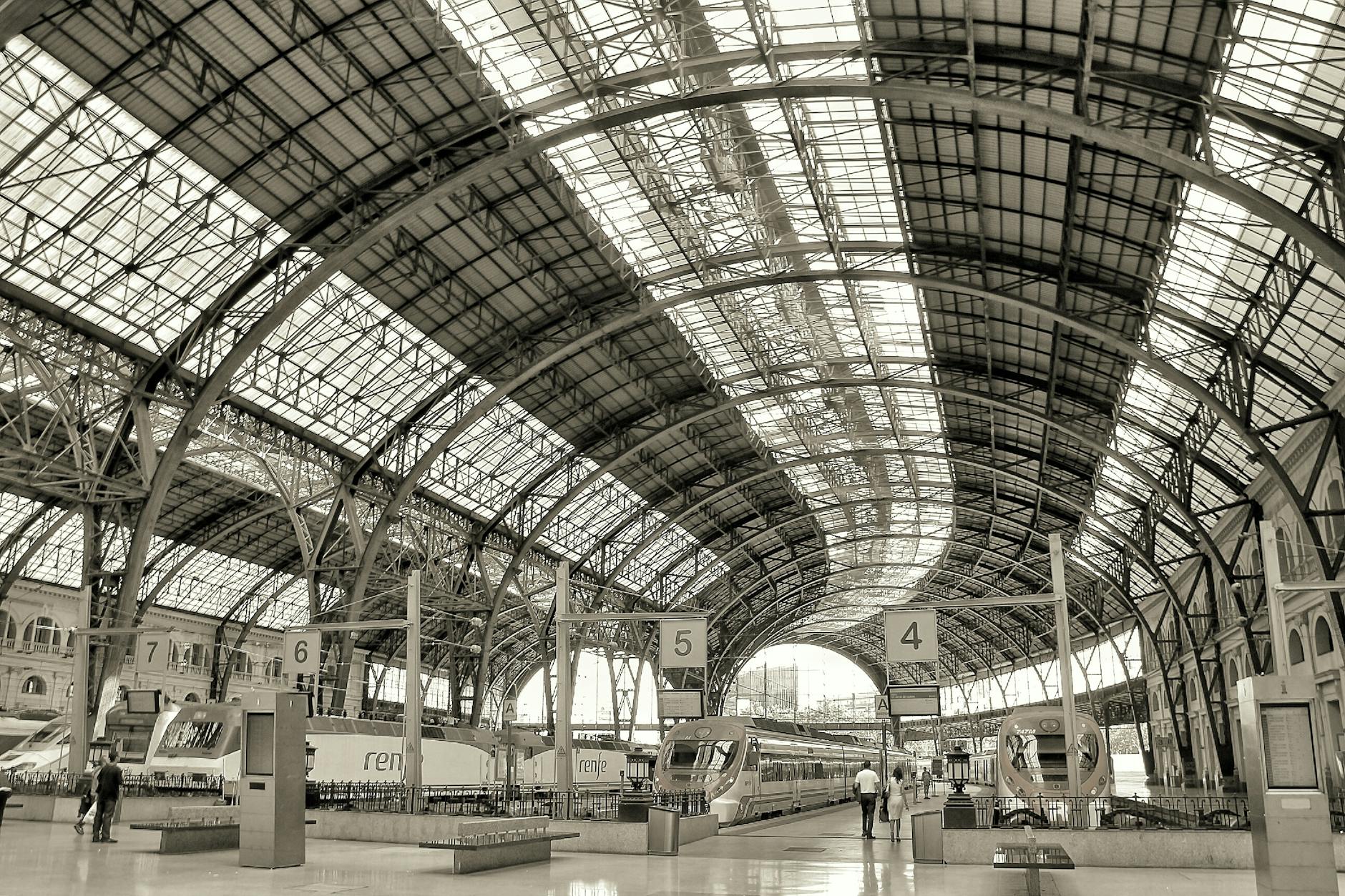
A two-hour thirty-minute train ride from Madrid, the Barcelona train station is located slightly off the city center map, but is well-connected and rather modern. Coming from Madrid, the transition to Calatan region is ushered in as salida gives way to sortida (both meaning exit, former in Spanish and latter in Catalan). And as you exit the station, the splendor of Barcelona begins to allure.
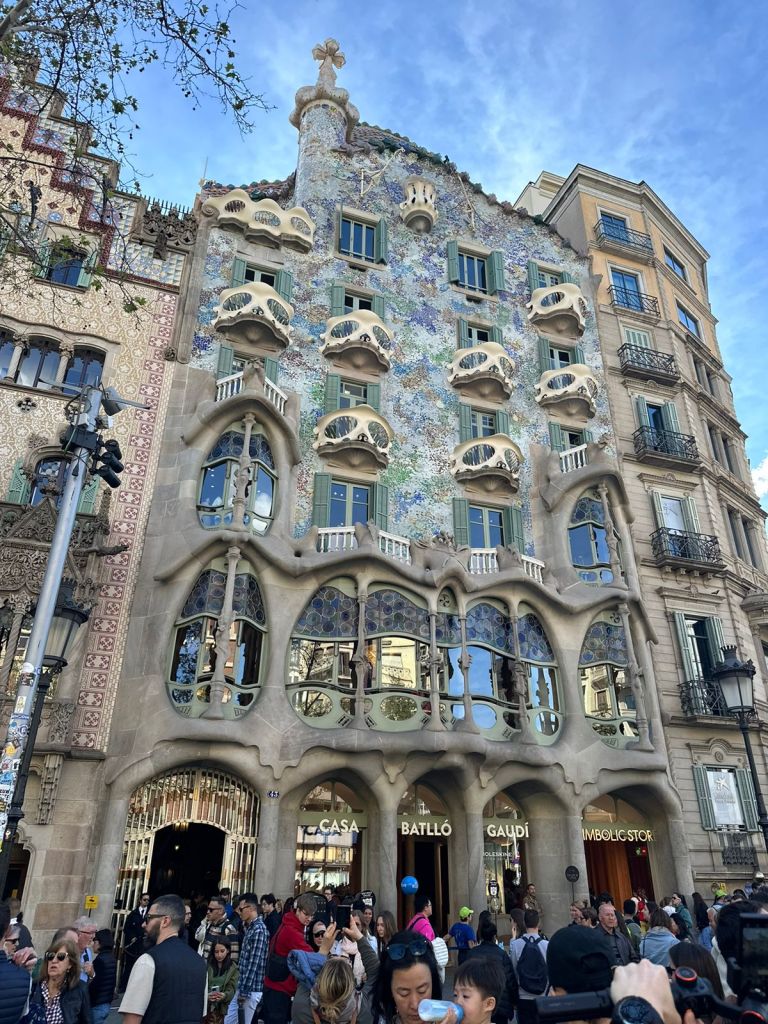
As always, we started our trip with a walking tour of the city. But unlike the usual best of a city, I had picked the Gaudi & Modernism Tour. Every tour operator runs a version of this tour that will help you map the city from the eyes and works of Gaudi and what modernism meant to this city. Starting with Passeig de Gràcia, Barcelona’s most fashionable street, it is a walk-through history and a conversation with time embellished by the city’s architecture. The Illa de la Discòrdia (Block of Discord) is worth mentioning as it houses three famous buildings: Casa Amatller by Josep Puig i Cadafalch, Casa Batlló by Antoni Gaudí and Casa Lleó Morera by Lluís Domènech i Montaner – each house distinct in style playing with the definition of beauty and space. Our tour guide spoke of a competition among the three architects at that time. For us, a quick pole at the end of the block saw Guadi emerge victorious even in a crowd of the uninitiated.
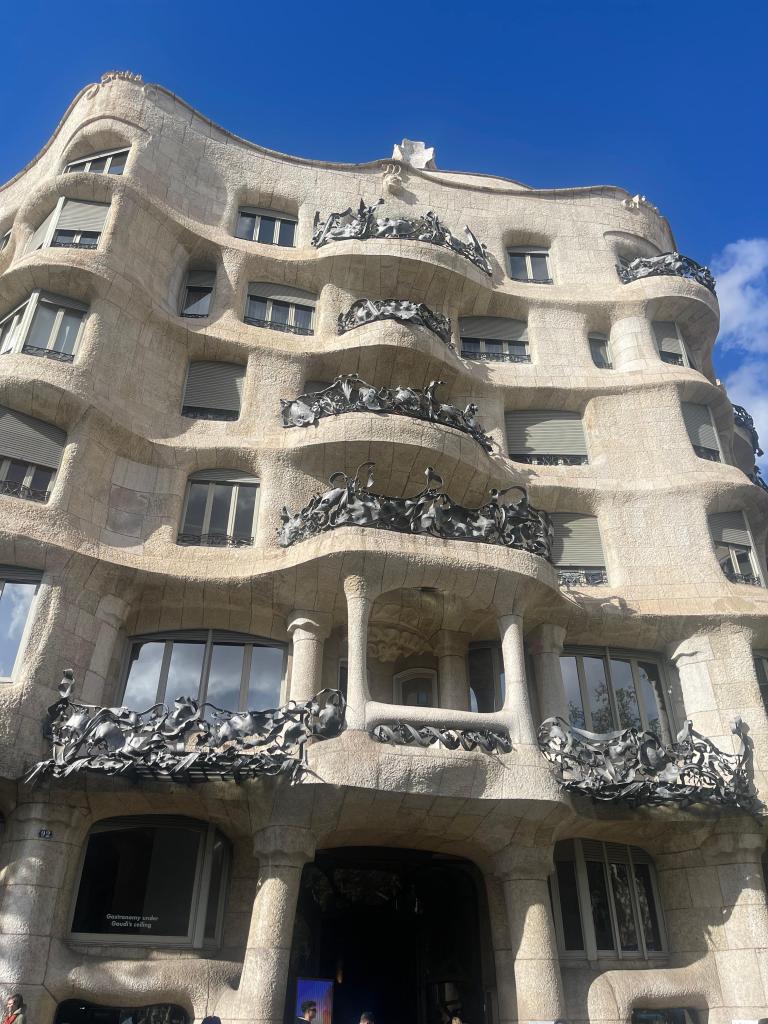
Another jewel on the main boulevard is the Casa Milà, popularly known as La Pedrera meaning the stone quarry, the last private residence designed by Gaudí. With no single straight wall, emulating the sea, the building continues to create waves to this date. I recommend you to enter some of Gaudi’s buildings that are museums today, at your own time, to really feel the architecture and concept. From the fish bone and scales exterior of Casa Batlló to the color of tiles, ceramics and play of light is worth exploring.
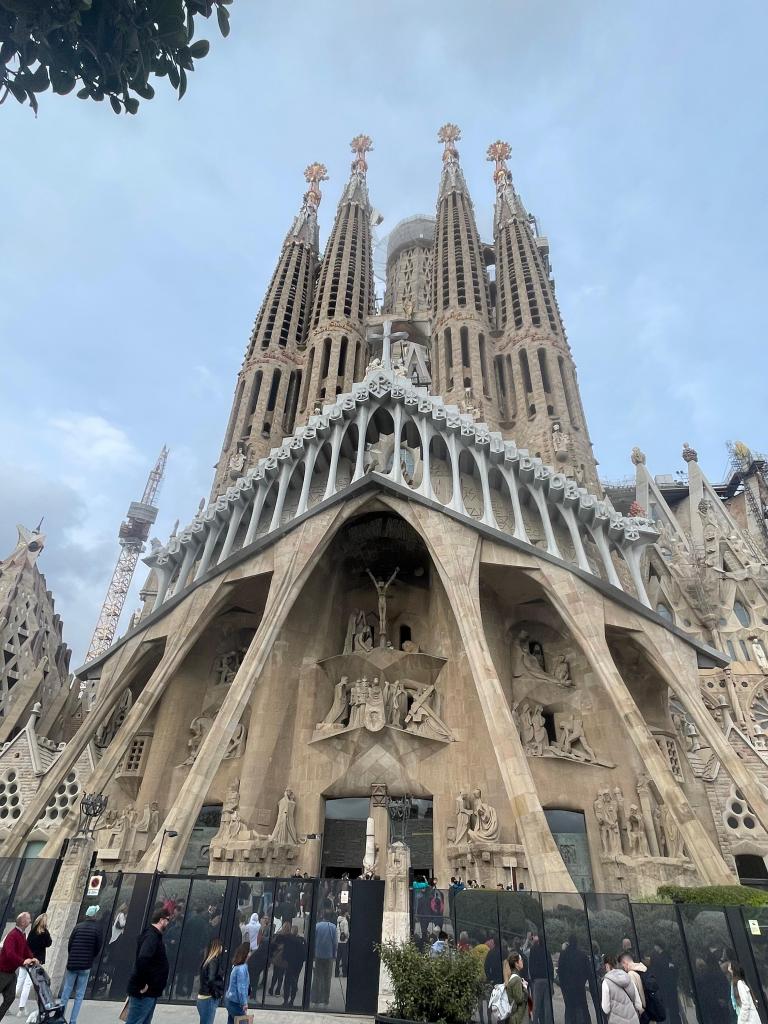
How can a tour on Gaudi end without a visit to the Sagrada Família, a church in construction for the last 142 years and a UNESCO World Heritage Site? It is the most iconic building of Barcelona. As you turn from the metro station and it emerges from the side, you are left in awe. It is the most imposing, brave and bold structure I have ever seen. Despite the scaffolding and cranes towering the skies, neck-to-neck with the ornate spires, each facade of this church (Nativity, Passion and Glory (under works)) is a work of art, in one style but of evolving ambitions and ideas. The warmth of Nativity is juxtaposed against the imposing pillars of the Passion façade exude strength of character and pride. With parks on either side, there is ample place to sit down and relax in the timeless energy of the church nestled calmly in the rush of people around it.
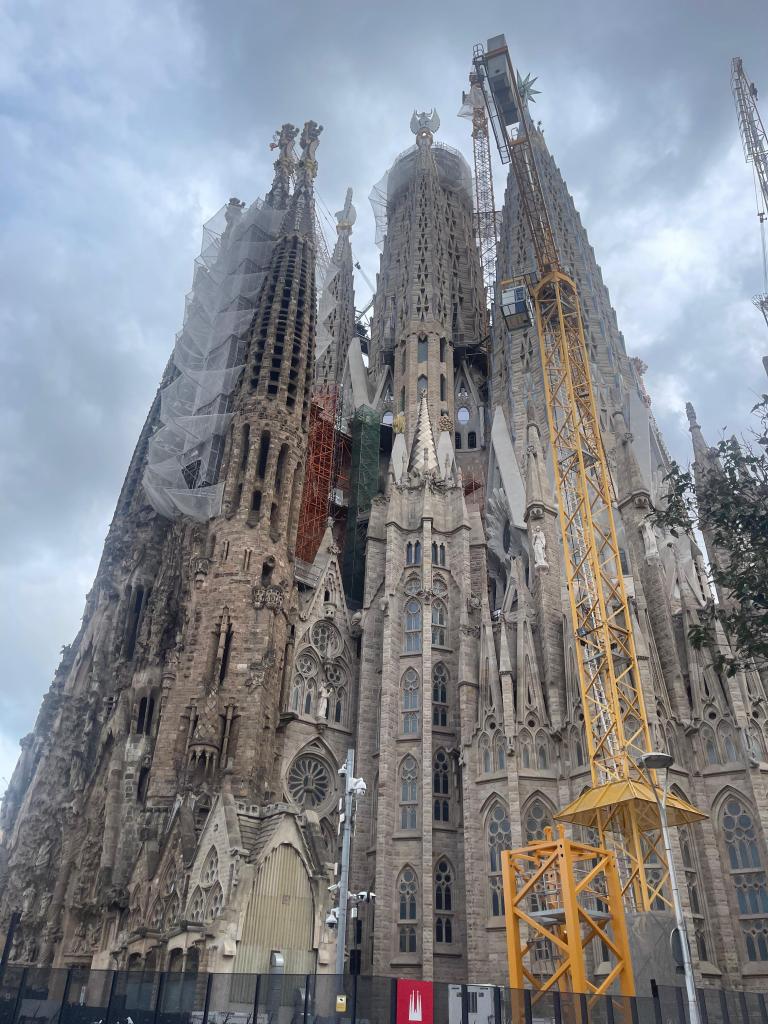
After sitting taking the customary photos, we treaded back to the city center (note: the Sagrada Família is slightly away but is connected by metro). The afternoon was spent in the Gothic Quarter, famous for its Cathedral, Roman ruins and the beginnings of Antonio Gaudi’s lasting impression on the city. The narrow streets and small cafes are charming, but honestly, having lived in France, this element was less exciting. For those yearning for more of Gaudi, a visit to Parc Guell, which overlooks the rest of the city is a good way to end day one.
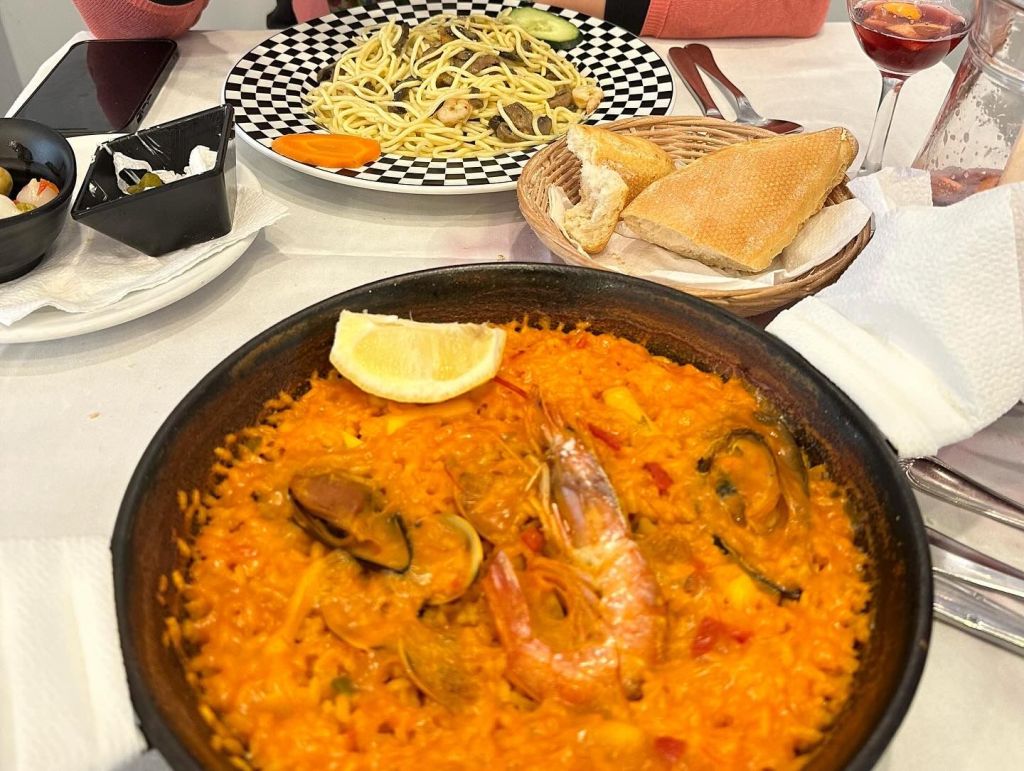
No trip is complete without a local flavor. When in Barcelona, binge on Tapas and Sangria (yes, I’d recommend this anywhere in Spain). Now, I usually don’t write about specific restaurants but we came across Restuarante Milgros (we stumbled upon it thanks to the 4.9 rating and its proximity from our hotel). From paella to tacos, their dishes were reasonably priced and definitely worth a try!
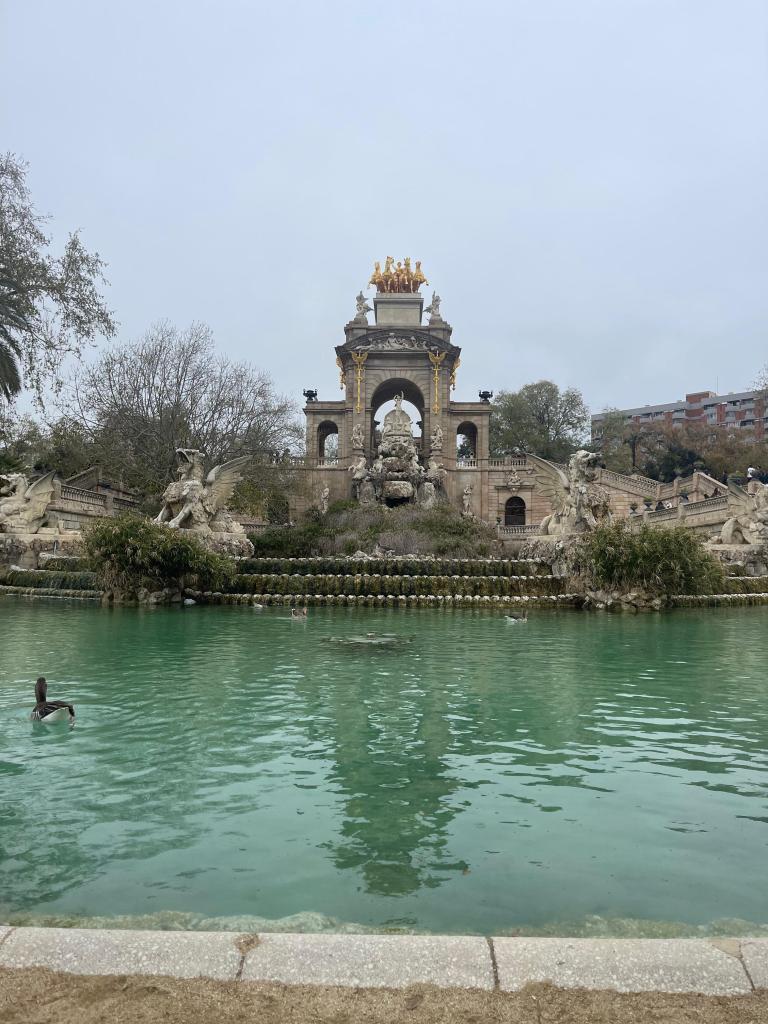
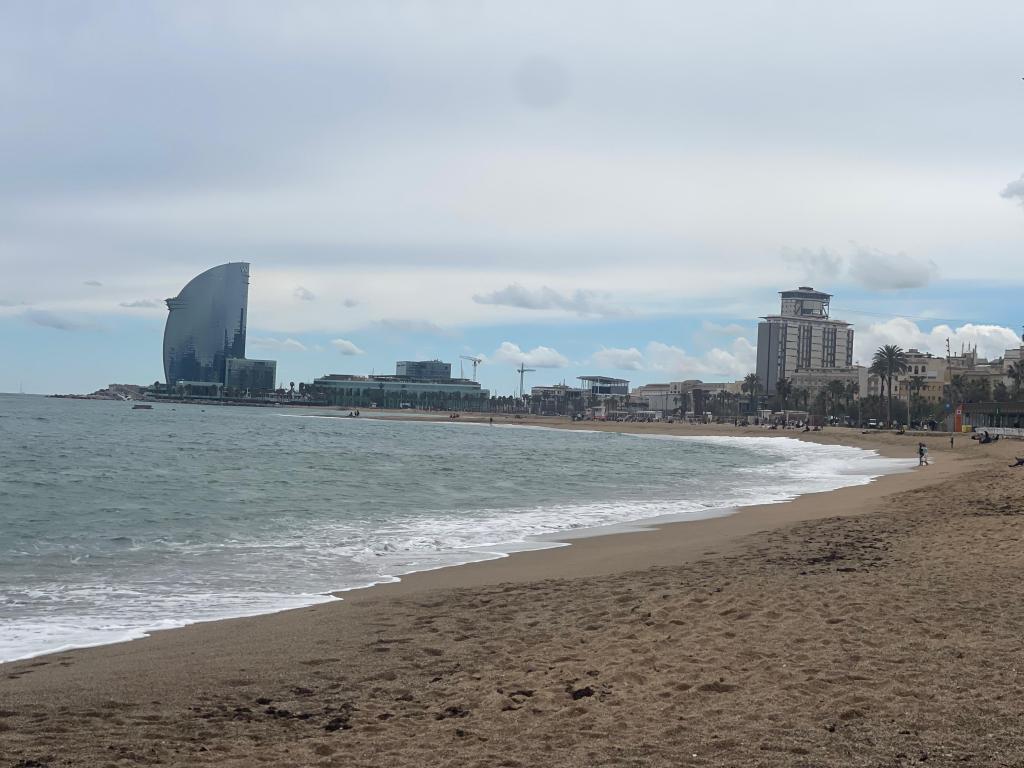
The next day, relaxed and lazy, was dedicated to the beach and the good life. The Mediterranean never disappoints. With a wide walkway, bustling cafes, and a pop-up market of local delicacies, handicraft and specialties made way for a warm afternoon walk. We walked by the sea side towards the Parc de la Ciutadella (it’s a long, but comfortable walk) where we came across Barcelona’s very own Arc de Triopmf and its fountain. Barcelona is big, but pedestrian friendly (and surprisingly clean). Once in the park, sit and relax for it is a great place to picnic if you pick up something to eat before entering. We were surprised to see ‘chai’ and ‘samosa’ being sold. (On that note, it was surprising to see the visibly South Asian population in the city – one could hear Punjabi almost like a second language).

We spent the afternoon exploring the Las Ramblas, the pedestrian paradise in the heart of Barcelona (something Avenue des Champs-Élysées should consider). Primarily a shopping district, it has some nice restaurants, iconic brands and small souvenir stores. What caught our eye was Mercado de la Boqueria, a massive food hall selling fresh produce, spices, snacks and meals. The multi-colored decorated stalls, the aroma of freshness and a sense of pace is exciting after a long walk. It’s a good place to explore local Catalan delicacies.
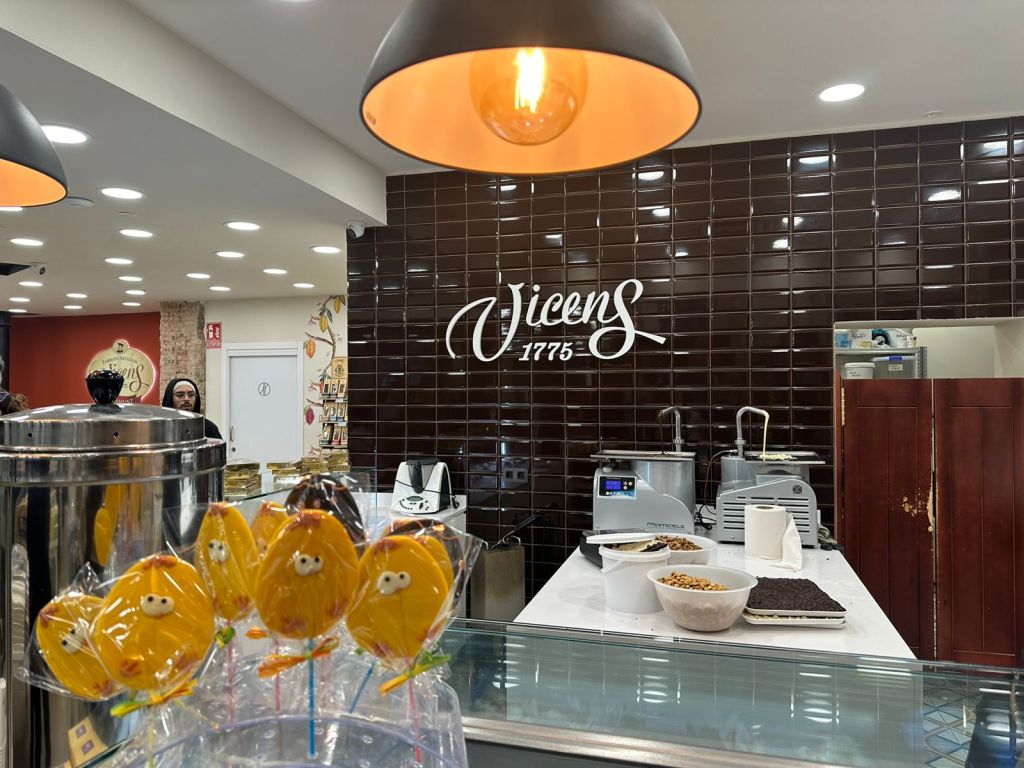
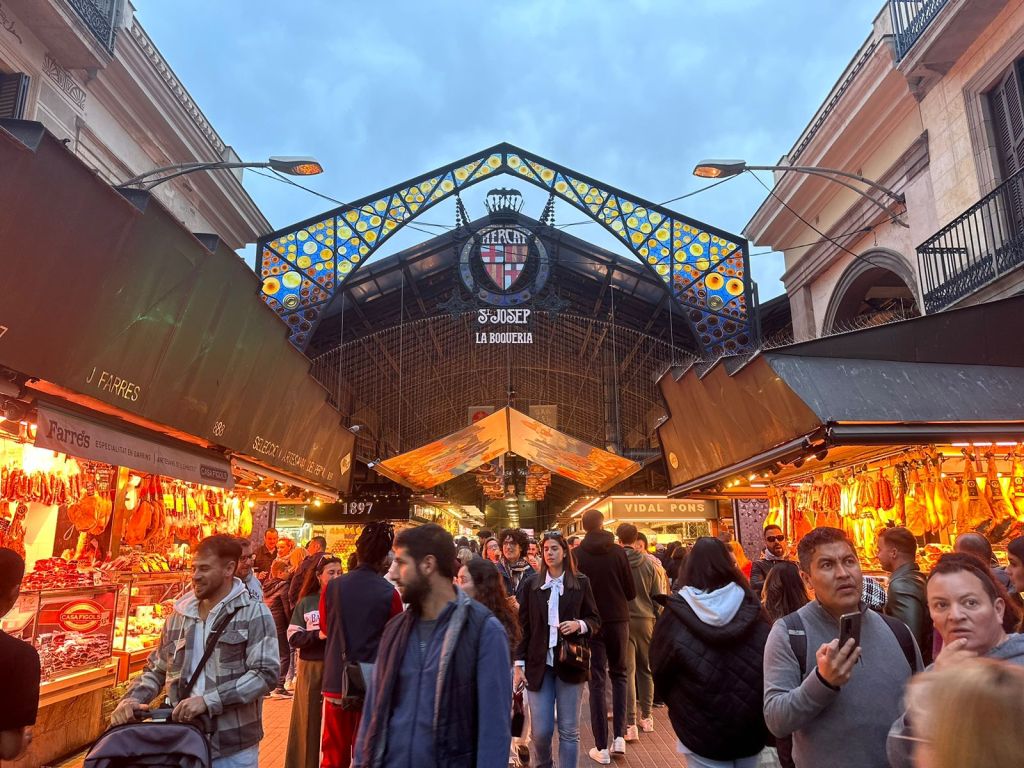

Alternate afternoon plans could include a visit to the FC Barcelona Stadium or according to some websites, Mount Tibidabo (my only reference to this was from FRIENDS and Joey’s story).
So, would my response to how is Barcelona be any different than the ones I received? Beach and Gaudi? While, they would definitely feature, perhaps for me, the Sagrada Familia was emblematic of Barcelona itself – a young, dynamic city, evolving and changing constantly, embracing new challenges but holding strong onto its identity and values. And yes, I agree with The Economist that Europe is blessed with history, culture and proximity to diversity (cultural and geographic) and no wonder Europeans love their breaks!


 PUJYA PRIYADARSHNI
Leave a reply to smita dasgupta Cancel reply