“Sun, sand and beach!” was the image that instantly came to my mind when I was asked to go to Marseilles for work. Finally, some respite from the wet grey dreary Paris winter, I thought. So as I packed my bags as I imagined a coastal town with the scent of the sea and salt in the air…
A three and a half hour ride by TGV from Paris, the journey is best undertaken in the early hours of the morning so that you sleep through it and reach in time to enjoy a full day ahead of you. As the train pulled over at Gare de Marseilles Saint Charles and one left the station, the first thing that hit us was the wind. Wind strong enough to blow away all dreams of a warm sejour. The sun though shining bright in the sky, it seemed as distant as it does in Paris.
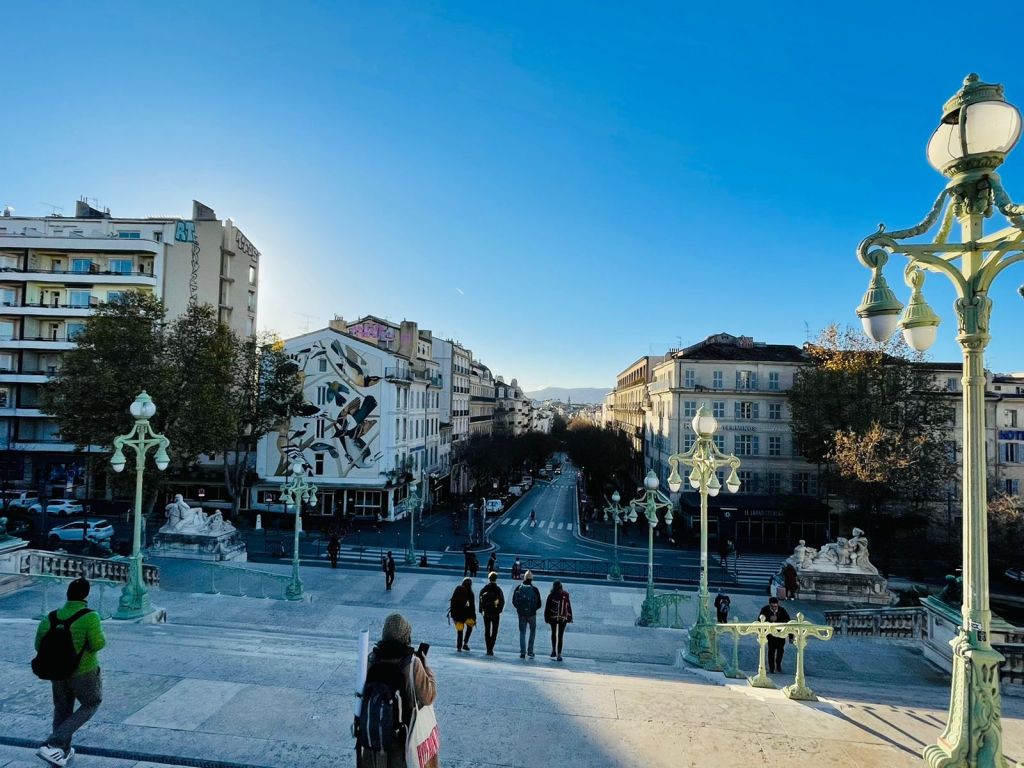
We started walking towards a hotel to get a vibe of the city. We could not see the sea, but it was omnipresent. Having lived in Syria, Marseille instantly took me back to 2005 when I had visited the port cities of Tartus and Latakia. I am not sure whether it was the layout of the streets or the food stores that dotted it, the scent of olive or the sweet sound of Arabic in the air. We even spotted MeccaCola being sold along with CocaCola, a reminder of the days in Damascus where aisles of stores were marked by names mimicking American brands that we were banned in the country. It all seemed familiar, if only momentarily.


As we moved through the neighborhood, after a turn, suddenly Marseille changed; the boulevards, the Haussmanian buildings and the boulangeries that lined the path all propped up instantly as a reminder of the French connect. The sun doubled up as it got reflected off the sea, the white boats and yachts in the water shone brighter and the sun rays falling on the yellow stone structures lent them a golden hue. It was breathtaking. A sight to behold. Perhaps, it was a version of this beauty that might have attracted the Greeks way back in 600BC when they founded Massalia (apart from the geographical advantage of the natural harbor that the city houses).
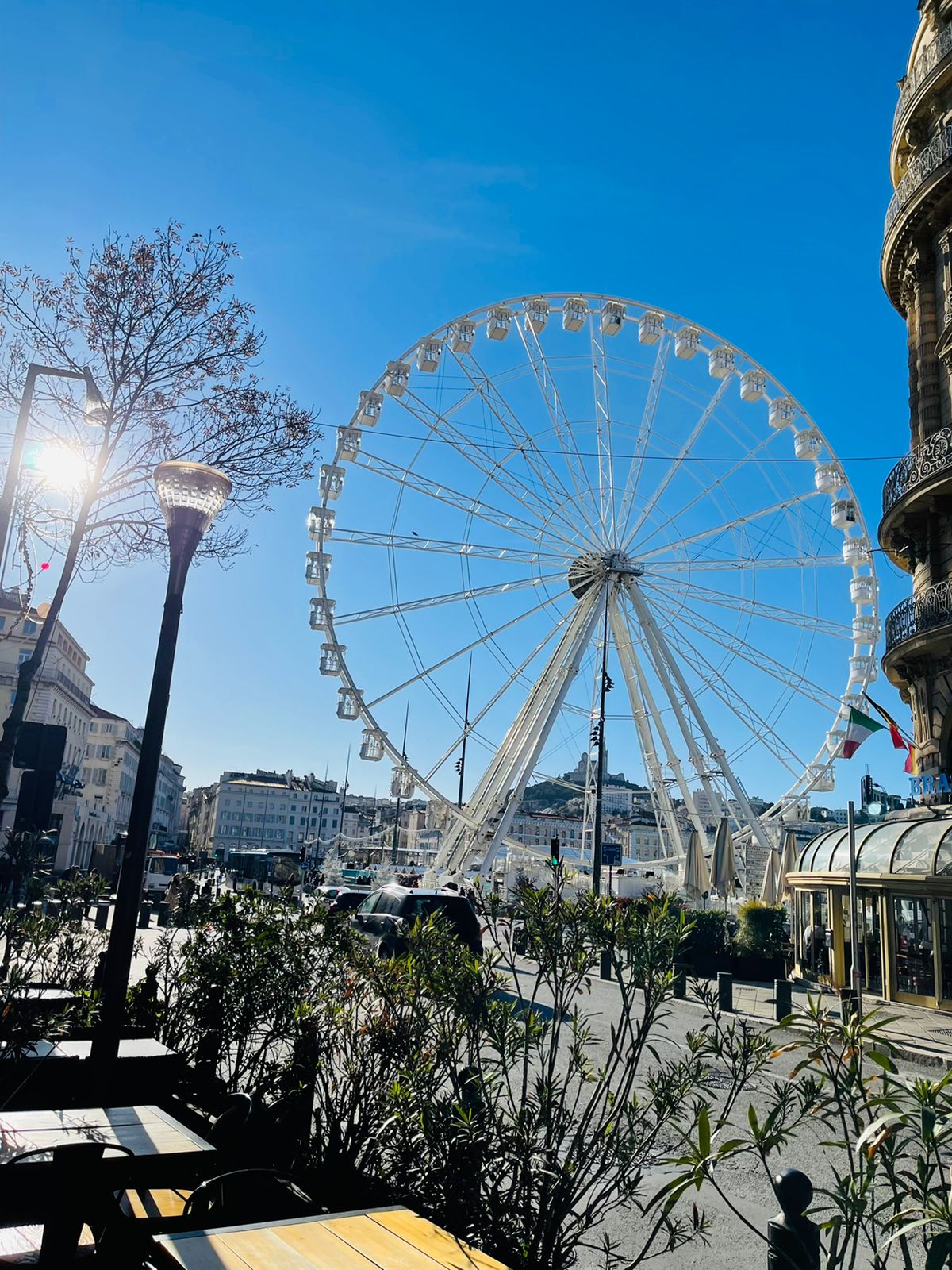
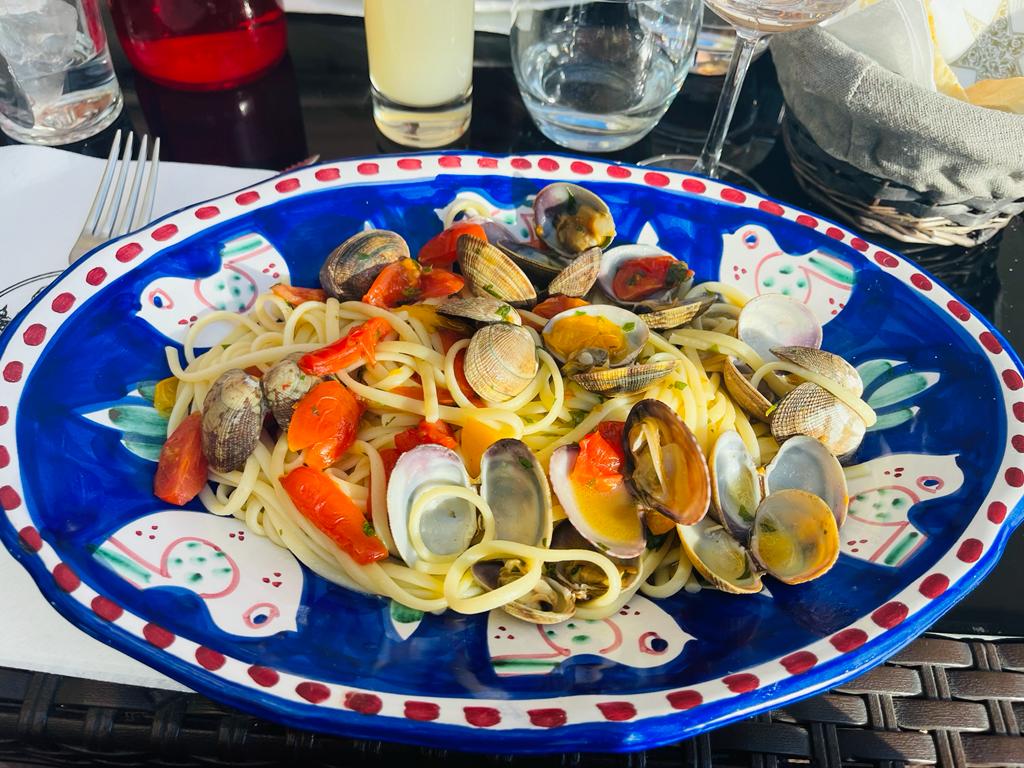
A city of surprises, it also seemed colder than Paris courtesy the strong wind that seemed to rip through every layer of protection. I had studied about mistral (the strong, cold northwesterly wind), but at that moment I didn’t think I’d survive it. Mustering up all the courage and desire to explore that we had, we headed to the Vieux Port. A U-shaped natural harbor, it is the heart of the city; pulsating with energy. The entire space has been created to allow people to feel one with the sea (minus the traffic of the parked boats) with a huge esplanade where fishermen sell their daily catch. It was so cold that one couldn’t even smell the fish market. Do indulge yourself with the fresh catch – the seafood is exquisite. Eateries, souvenir shops and museums can be found all around.
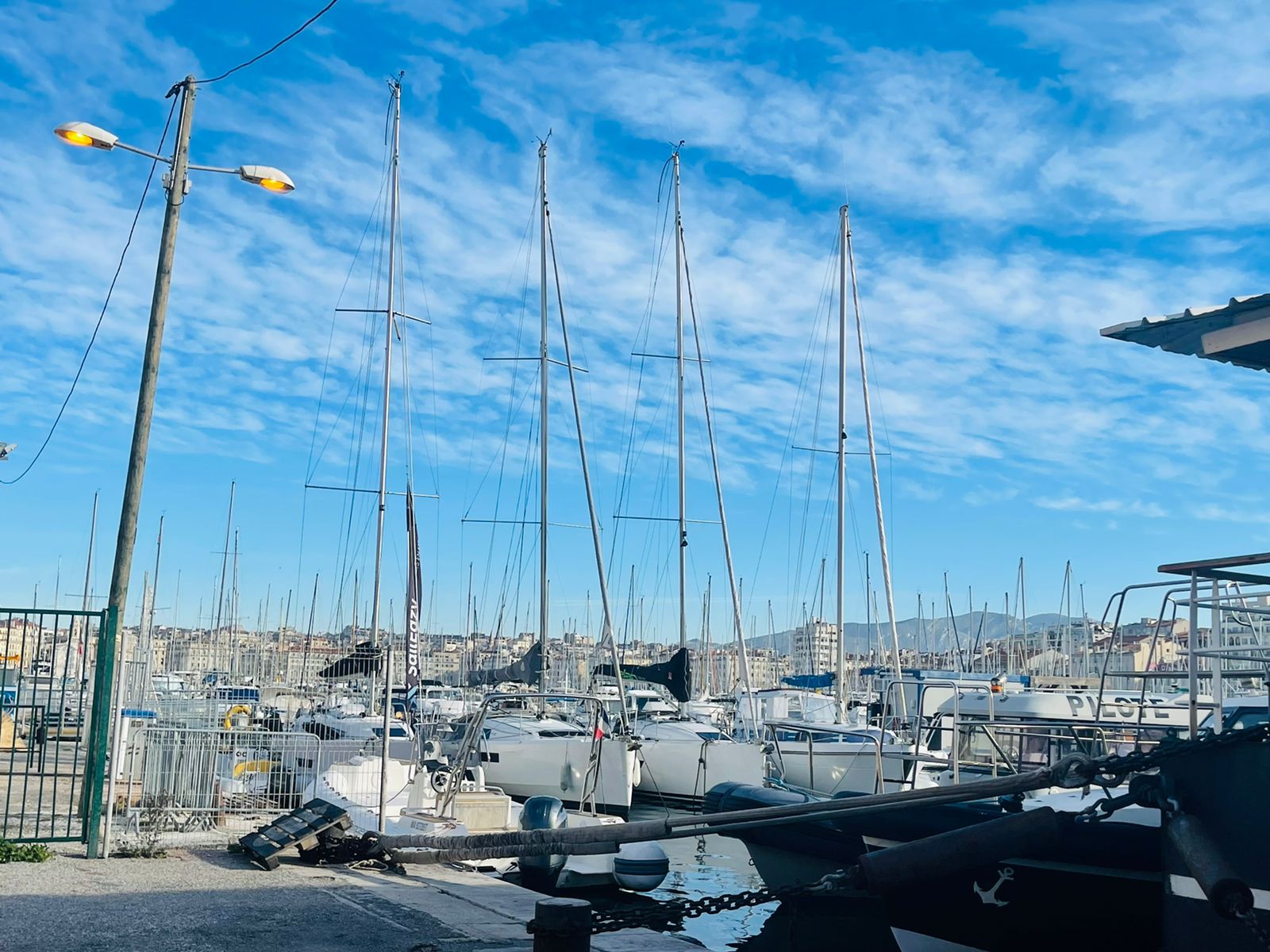


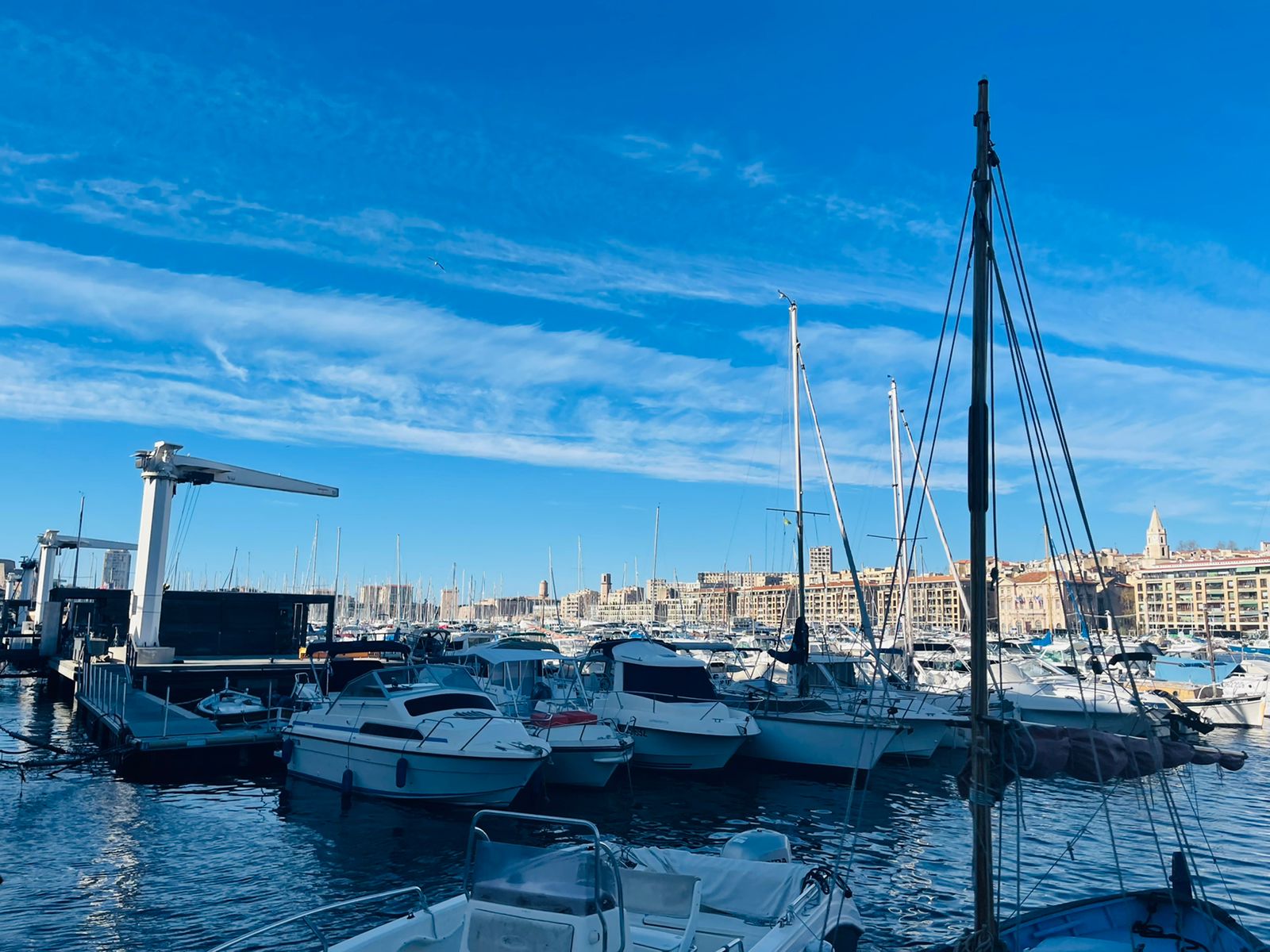


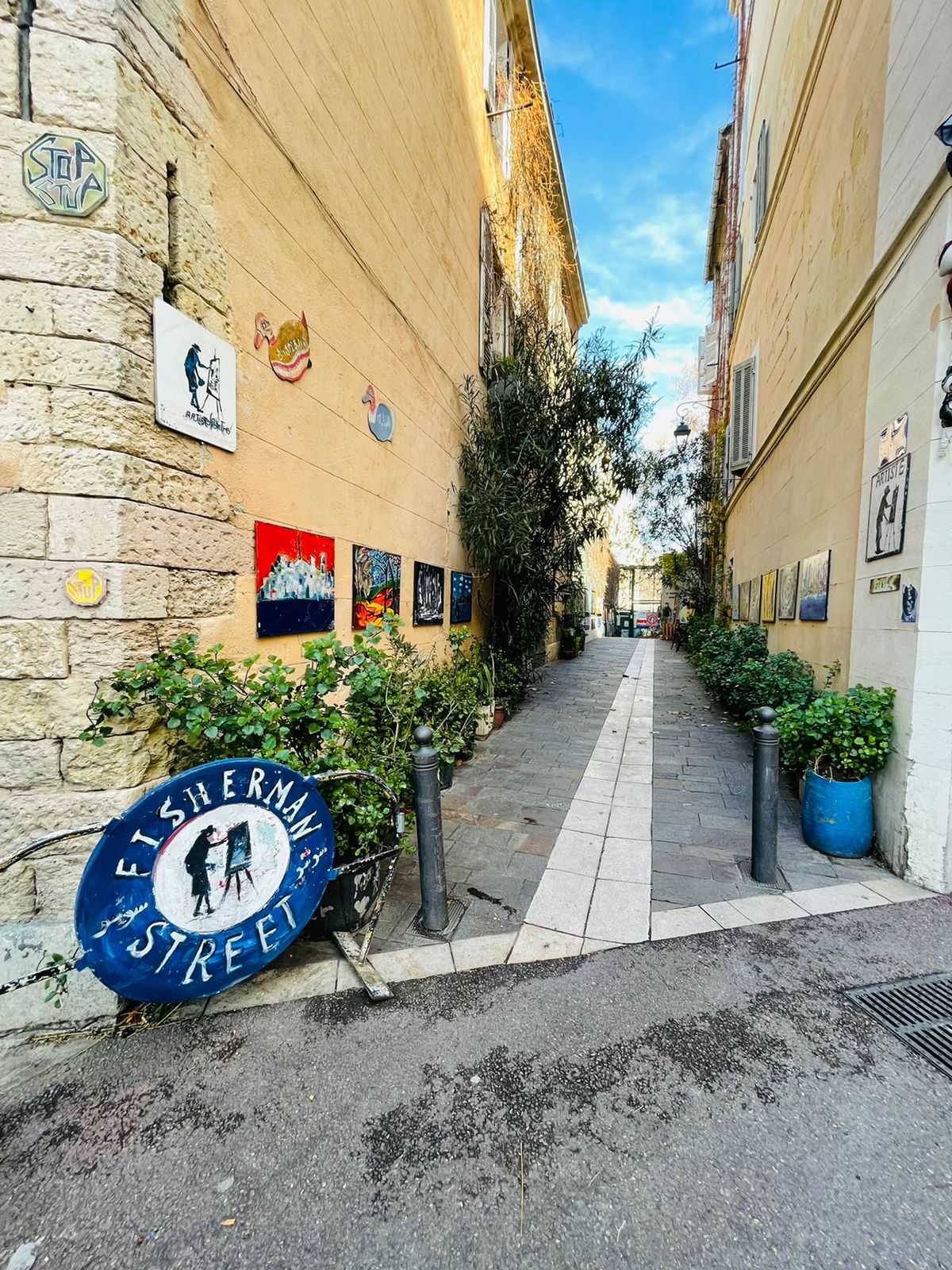
Looking at this part of Marseille, I wonder how it did not exist on the tourist map before coming into focus in 2013 after being named the European Capital of Culture. And HOW it must have transformed for today it is not only the second largest city in France, it now also hosts the most museums in France after Paris. Essentially a port town, dominated by immigrants, Marseille preserves a piece of history of each epoch and nurtures each culture that has come its way. So it’s not surprising, that our walking tour guide, who came to Marseille from Brazil 4 years ago now calls this city his home. A walk through Le Panier, the old fishermen town, will transport you from the very modern “old port” to the uphill narrow streets of the city that are marked by graffiti, cafes, chic stores and not to miss, clothes hanging to dry from the windows (trust me, it becomes a rare sight after living in Paris). Called an open air museum, this birthplace of Marseille, exudes a characteristic blend of Spanish, Italian and contemporary cultures. You could be anywhere, for even the languages you hear in the street are a mixed bag.



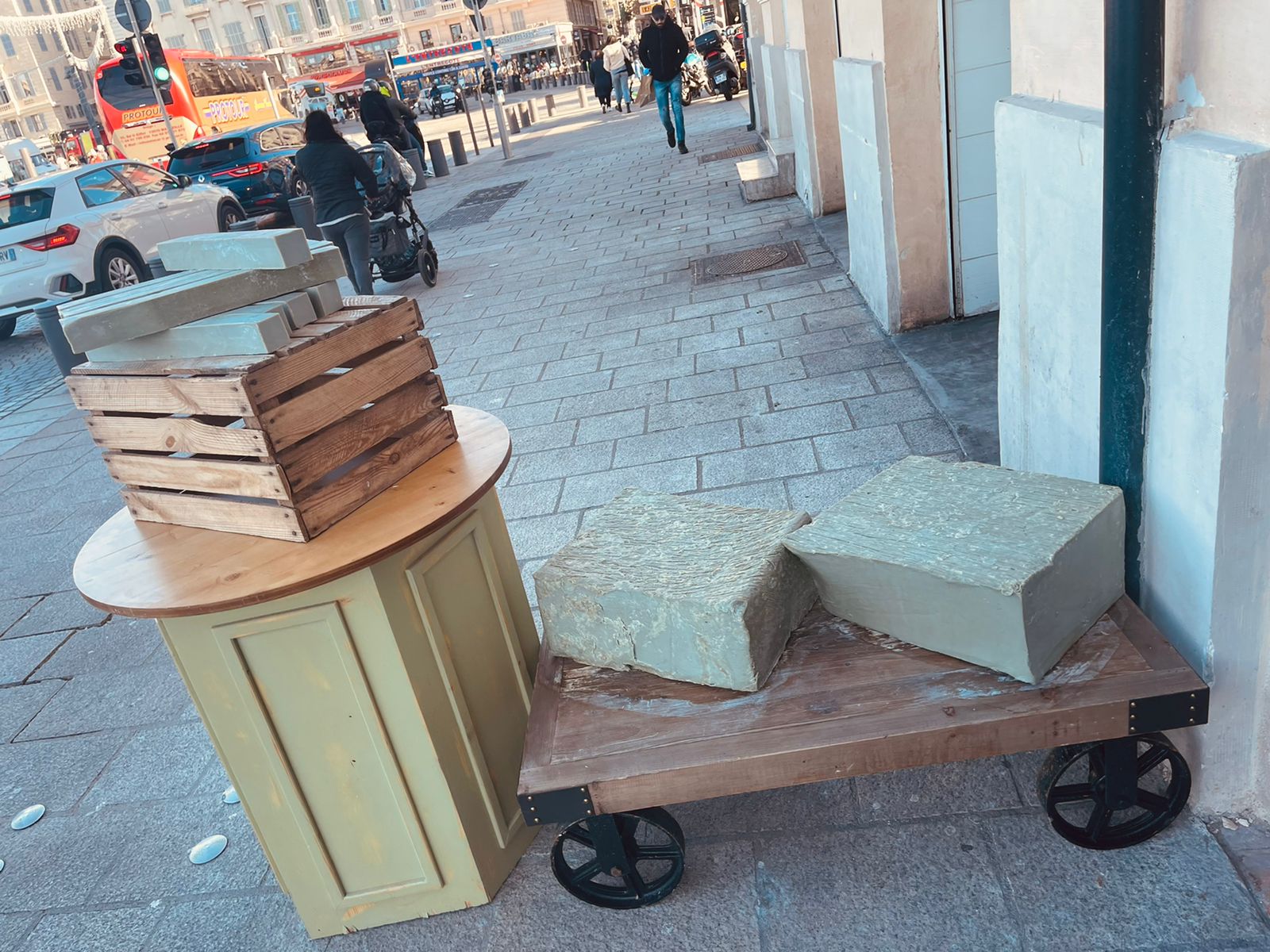
Walk leisurely through the streets of the city and see if any one of thousand stores selling “extra pure” soaps tempt you enough to buy some. Yes, soaps. Olive. Lavender. Rose. You name it. You’ll be surprised by the number of stores that have soap bricks sitting outside basking in the Marseille sun. But then, for those who have known and lived in Syria, the green olive soap bricks are a common and cherished memory from the souks of Damascus and Aleppo.


The byzantine influence continues as you visit the Basilique Notre-Dame de la Garde and Cathédrale de la Major, both built in neo-byzantine style; a pleasant change from the gothic style architecture that dominates the rest of France’s landscapre. Notre-Dame de la Garde also provides the best view of the expanse of the city. You can spot the old quarters, the touristy port, the modern high-rises, the Greek ruins, and the sloping red-roofed houses all in one frame. Perhaps, it’s this image that encapsulates Marseilles: there is a little of everything for everyone.

From a trip planned for sun, sand and the beach, we discovered a slice of history, the charm of cultural diversity and the unknown notion of Marseillienne identity, all wrapped in a cold and windy weekend made warm by the spirit of Marseille.


 PUJYA PRIYADARSHNI
Leave a reply to Sadhna Shanker Cancel reply