After moving to Paris, with three suitcases and dreams full of travel plans, I found myself in the middle of the second wave of COVID in Europe. Soon the plans to travel within and outside France were reduced to walks by the Seine and day visits to the many ‘jardins’ (gardens) of Paris. As if the cold, grey and wet winters isn’t enough to dampen spirits, the idea of being home for weeks on end made the French dream elusive.
Then one day, watching a show on television, I came across Churchill’s famous remark of ‘never waste a good crisis’. A daily curfew, no cafés and restaurants and complete closure of all tourist destinations surely qualified as a crisis for a patient of the travel bug virus. I researched on what could be a getaway from Paris nearby, where one could go and see at least something. And that’s when the miracle of Chartres happened.

A quick read of the history of the Chartres Cathedral, also called Notre-Dame d’Chartres, will tell you that the Cathedral, an architectural marvel of French gothic style, remains a pilgrimage site for Roman Catholics. And miraculously, it was open. An impromptu plan on Friday night, made me buy the train ticket to Chartres the next day. With a total of 5 hours there, I rummaged through internet sites to decide an itinerary.


The one-hour journey, through the French countryside, is a refreshing change from the busy city life. As the train approached Chartres, one could spot the Cathedral spires from a distance. The elevated train path gives a landscape view of the expanse of this small city. Populated along the Eure river, the place gives the vibe of a quaint toy town with small buildings, an undulating landscape and picture-perfect houses.

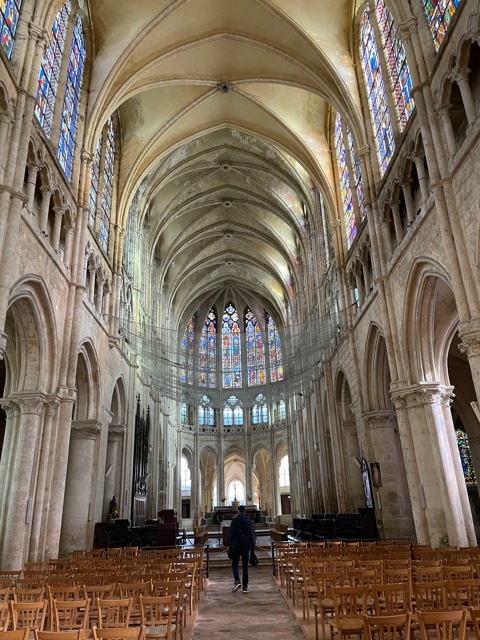
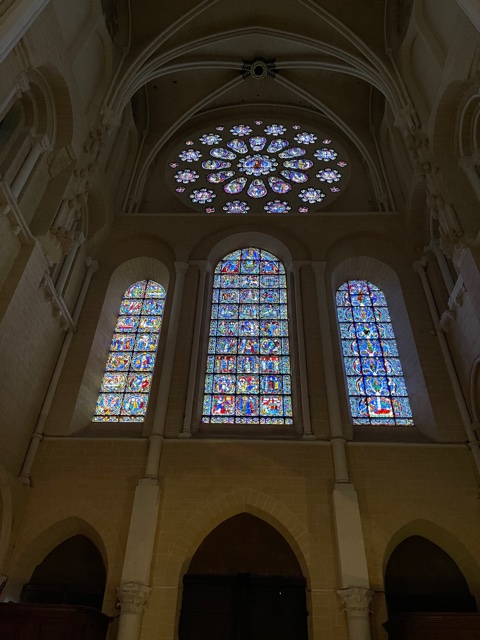
Much like many European towns, Chartres too has built a tourist clientele courtesy one attraction: the cathedral. And rightly so! A magnificent structure (though the inside is undergoing renovation), its grandeur will leave you spellbound. The 176 stained-glass windows together with the stone murals around the centre make the place divine and magical. Though not functional currently, the ‘Chartres en lumière’ (light show) is a must and due to begin again in April 2021. No wonder that this 12th century masterpiece is a World Heritage Site.


However, there is more to this town; the Museum of Fine Arts, Maison Picassiette, banks of the Eure Park and Église Saint-Aignan to name a few. Of course, the first two were shut, but one still walked passed them. I don’t think I would’ve been as excited for either had they not been closed, or ‘forbidden’. I remember doing a parikrama (circle) around Maison Picassiette to catch a glimpse here and there of the beautiful mosaic covered structure. Whatever little one managed to see sure made it look even more promising in the spring and summer, with the garden full of flowers and the sun shining bright.

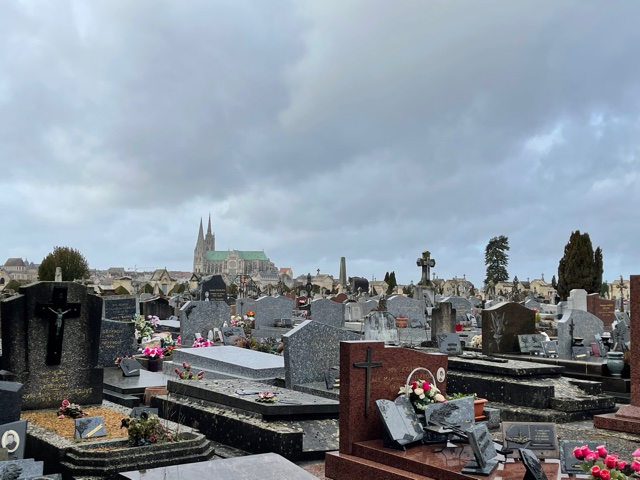
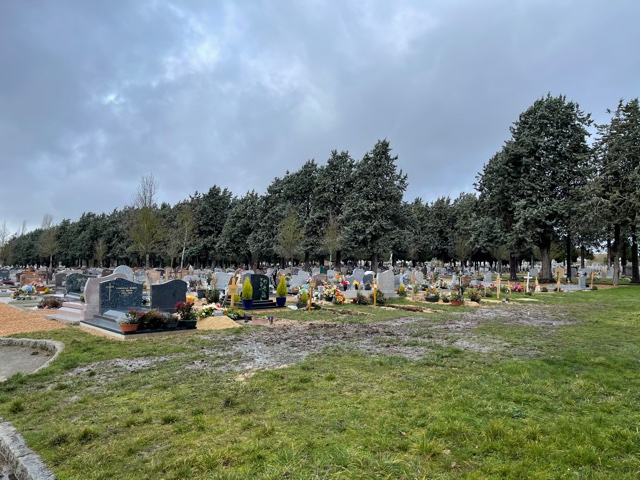
But as is often the case, inevitably the most interesting memory stems from the place that was never on the itinerary in the first place. After the long walk to the Maison Picassiette, navigating the river with green banks and narrow footover bridges, one decided to try and take a short cut back to the center of town. While Google maps is a boon to all travelers, it often compromises adventure for efficiency. One landed at the St.Cheron Cemetery. A sprawling cemetery, it is a place as much for the living as it is dead. The greenery, the flowers, the ornate tombstones, and the sheer color stemming from them all, smeared across the landscape make it a sight to behold. A modern-day necropolis, it is an experience much like Père Lachaise (Paris) and Novodevichy Cemetery (Moscow).
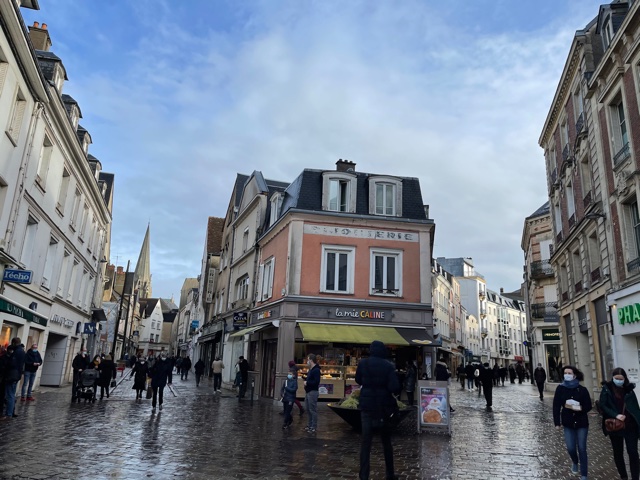
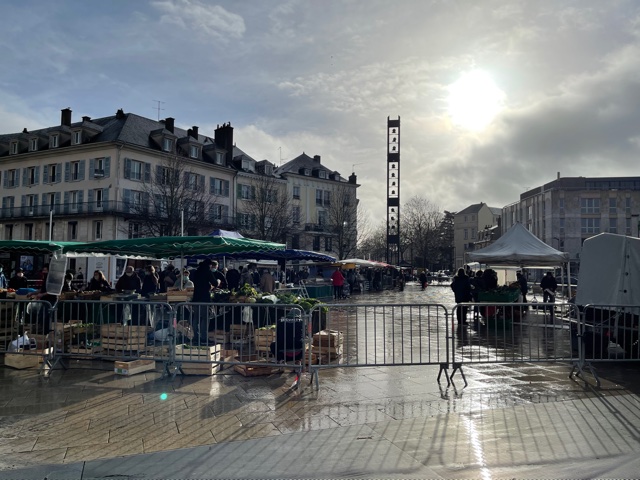
As a tourist, one rarely encounters a tourist town ground to a halt. With everything to attract tourists shut, that Saturday afternoon Chartres seemed to embrace its local. A seemingly center of town, the Place Des Épars was full of life and activity. A carousel, a market street offering seasonal sales and the pop-up farmers market (replete with a charcuterie, fruit market and fromagerie.). As I sat and nibbled at my Subway sandwich (only fast food joints offered take away), I tried to understand my hosts through this one panorama. The French. One has read, heard and watched enough about them to form opinions second hand. But sitting here, basking in the sun, sandwiched between a mixed-race same-sex couple and an elderly couple reading to one another, I understood a part of who they are. A people that embrace traditional values with new age reality, alongside an abiding taste for the good life.


Perhaps, the gift of COVID for the traveler is to explore with news eyes. Without the clutter of touristy agendas crowding one’s mindspace, one may be able to take in the people, the architecture, the landscape and the quiet pulse of the place. For as they say, it is not what you look at that matters; it’s what you see.


 PUJYA PRIYADARSHNI
Leave a comment